Save Our Newts!
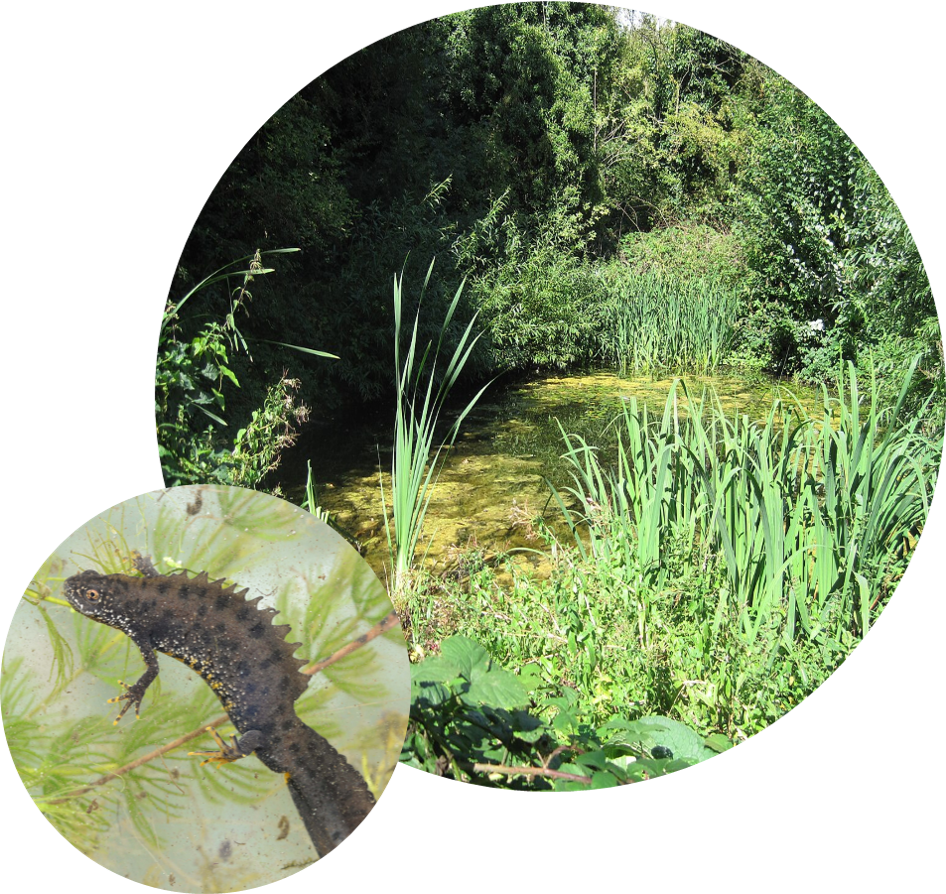
Photo by Will Atkins, LEHART
Time to make a difference
This is how much time we have before the Mayor of London and his team make their decision on the survival of our Great Crested Newts. We need your support before time runs out.
27.05.26 was decision day.
The Mayor of London and his team have decided the fate of our great crested newts. It was not good news; the GLA ignored our voices and approved the development even with weak mitigation measures in place. BUT THIS FIGHT IS NOT OVER! We will be back with updates soon.
Watch the hearing here:
Video not working? Watch the hearing directly by clicking here.
A Test Case for Nature
A massive development threatens London’s most significant colony of Great Crested Newts and the nature reserve that they call home.
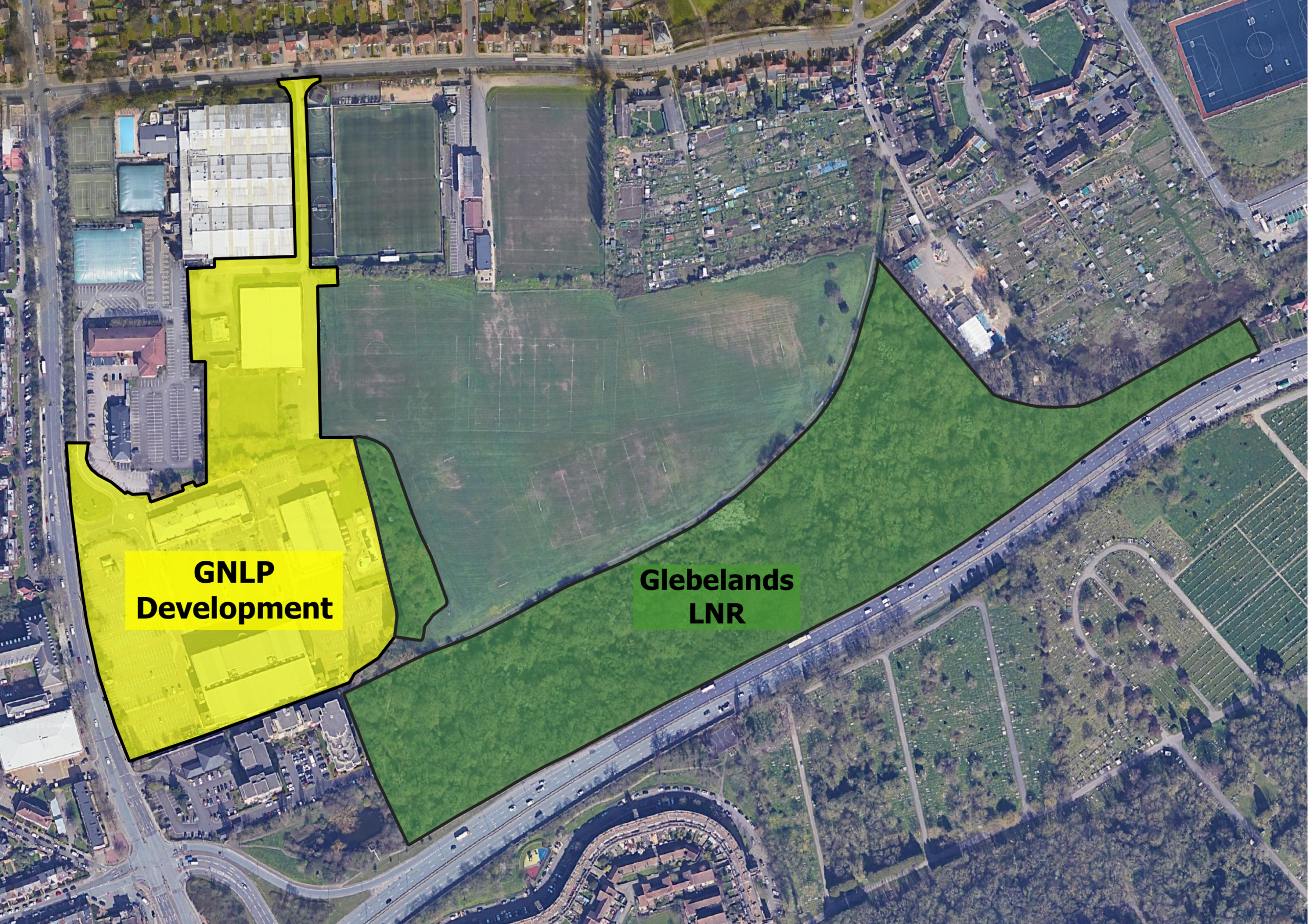
The Glebelands Local Nature Reserve is located in the London Borough of Barnet and is home to the city’s largest breeding colony of protected Great Crested Newts, now at risk of local extinction by one of the densest developments in the country.
The application for the development is currently being considered by the Mayor of London, placing Glebelands LNR at the centre of a much wider debate.
Under intensifying pressure to meet housing targets, legal protections for nature are being weakened. The Government has stated that protected species cannot stand in the way of construction, driven by a discredited housing policy with a target of 1.5 million new homes by 2029. Most of these homes will be unaffordable to those who truly need them.
The Planning and Infrastructure Act 2025 replaces robust site-level habitat assessments with a system allowing developers to pay a levy in lieu of genuine mitigation, creating a “cash to trash” system. It will lower environmental protection and lead to the destruction of key habitats, harming protected species and irreplaceable sites like Glebelands LNR.
What happens at Glebelands LNR will therefore matter far beyond North London. It will serve as a test case for planning and environmental policy changes, and determine whether legal protections for our nature and wildlife truly mean anything when inconvenient for development.
If a development can proceed here, destroying London’s most significant Great Crested Newt population, it will signal to developers and planning authorities nationwide that any remaining wildlife protections are effectively meaningless.
The outcome here will speak volumes about the value we place on our remaining wild spaces.
We need your support to stand up for nature’s rights.
What's at Stake?
The Glebelands LNR is a site of exceptional biodiversity. This expansive wet woodland was designated a Local Nature Reserve in 1997 and is now under threat from the development.
The reserve is important to all of London, as a city which desperately needs to safeguard what wildlife it still has. It contains London’s most significant population of Great Crested Newts (Triturus cristatus), alongside other protected species including bats, slow worms, and breeding birds. Rare plants are also present, with Glebelands LNR representing the only known site in London where certain species have been recorded in recent years.
Glebelands LNR is a wonderful example of how nature, if given the chance, can survive in an otherwise urban landscape. But if the proposed development goes ahead, the pressure on our nature reserve will become intolerable.
A Development at Any Cost?
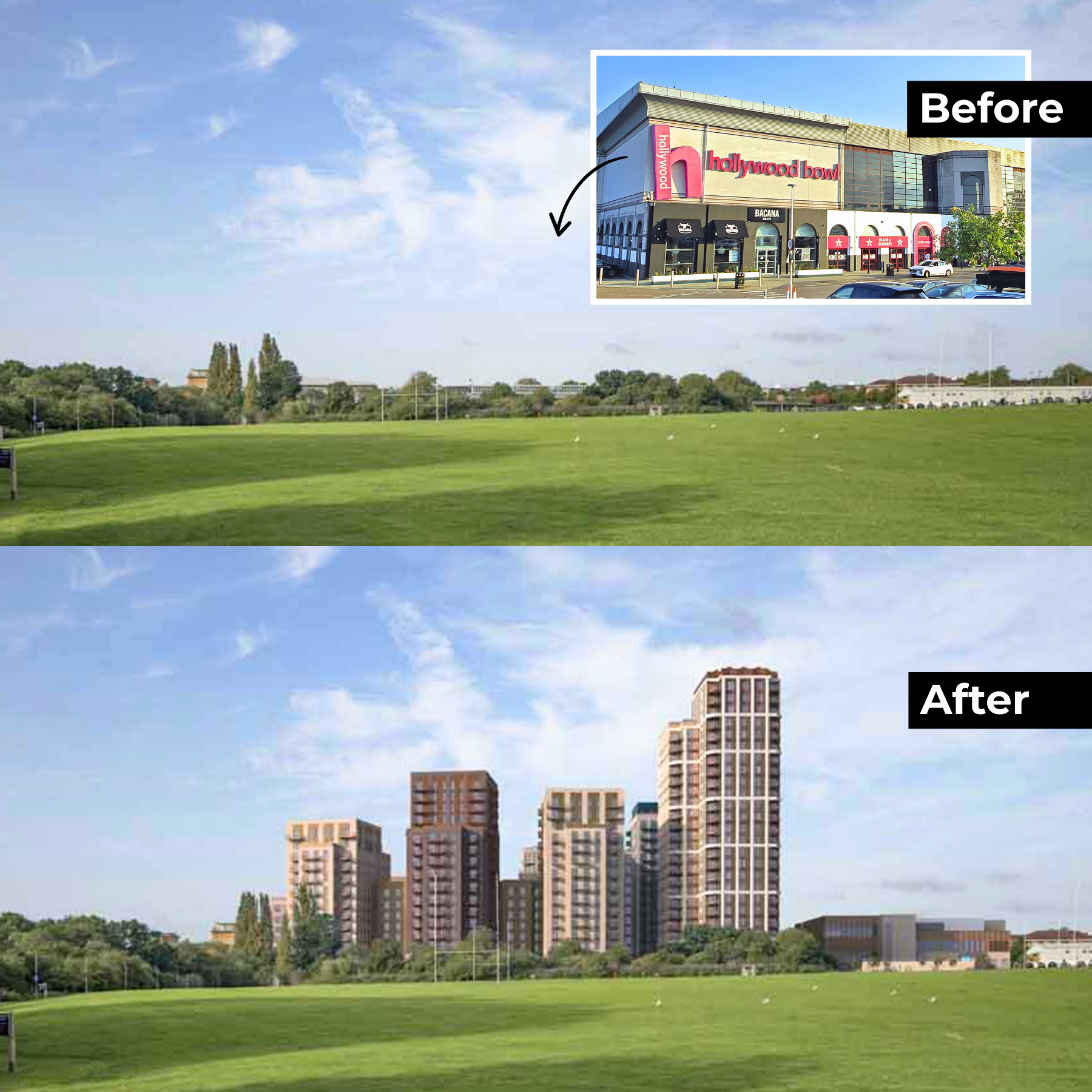
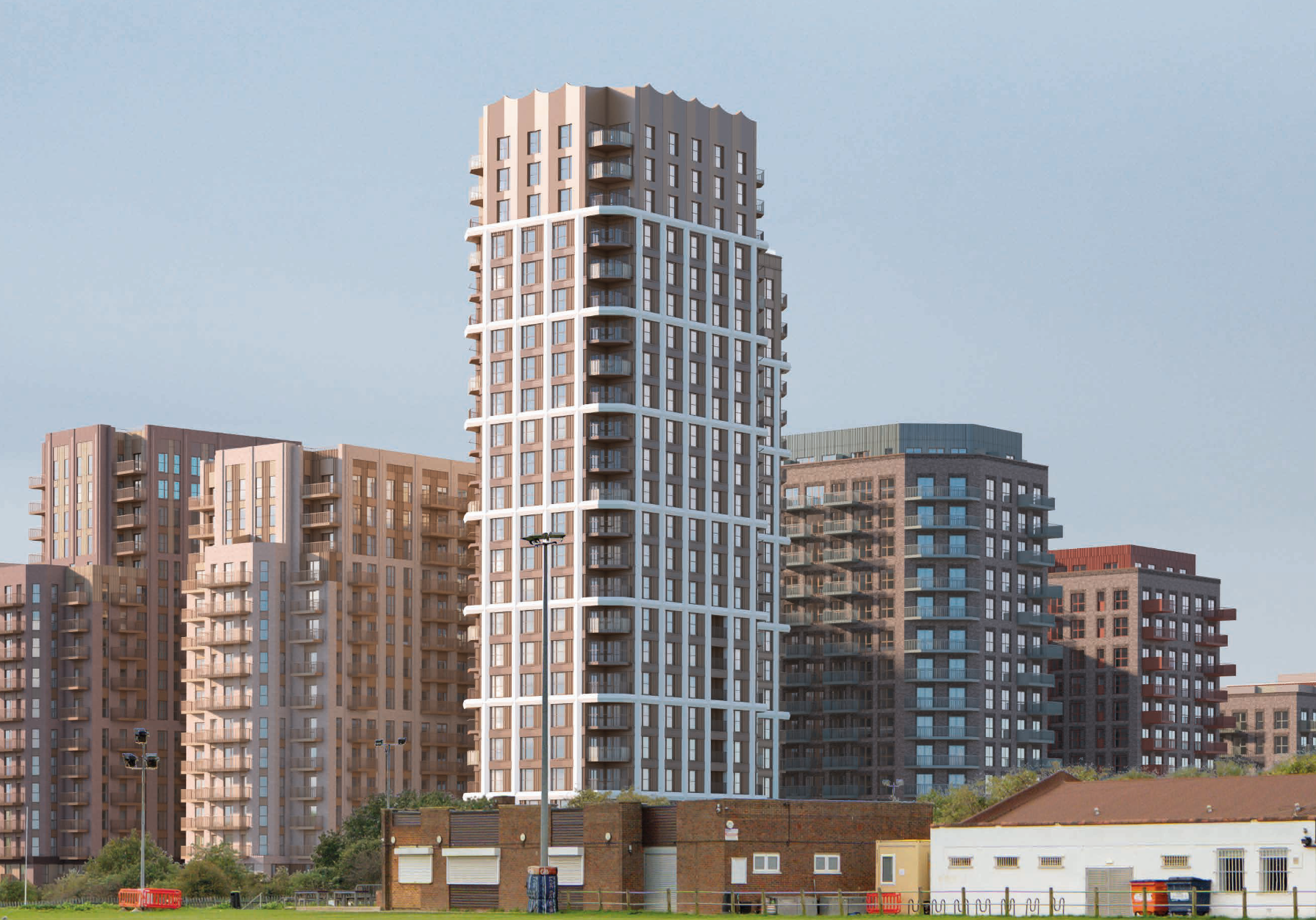
The developers, Arada, plan to build 1,485 flats at the adjacent Great North Leisure Park (GNLP), in a cluster of blocks up to 25 storeys tall. These will house over 4,500 people, making it one of the densest developments in the country.
A Back Garden
The developers plan to open connections between the development and the reserve. This includes removing existing protective fencing and introducing new paths, which will significantly increase footfall from future residents. Dressed up in the language of “enhancing biodiversity” and “softening the edge,” what is actually being proposed is the conversion of a designated nature reserve into a back garden for 1,485 luxury flats.
Habitable Footprint
In addition to the nature reserve, around 10% of the proposed development itself is suitable terrestrial habitat for Great Crested Newts (GCN). With no barriers or roads in their way, GCN can travel over 500 metres from their breeding ponds, much further than the habitable footprint on the development. Rough grass and hedgerow provide an ideal GCN habitat. If the development goes ahead, all this habitat will be lost.
Poor Mitigation
The developer’s mitigation report acknowledges the development would have a “significant adverse effect” on the nature reserve and its population of Great Crested Newts, but offers no meaningful solutions. This comes at a time when mitigation measures are already rarely followed through. It neglects the real issues and proposes weak uninformed measures to tackle a development of this scale.
Unaffordable Homes
We agree that Londoners need a lot more housing, especially affordable and social housing. Only 23% of this scheme’s flats will be affordable, falling below the Mayor of London’s targets. The remaining 1,104 flats will be sold at market prices, with some estimated to cost over one million pounds based on the developer’s own comparable schemes. Why should an ecologically irreplaceable nature reserve be sacrificed primarily to deliver unaffordable flats?
Community Hub Lost
At present, the GNLP is a thriving entertainment and recreation destination, hosting a cinema, large bowling alley, and restaurants that are heavily used by people from across north London. For decades these facilities have provided a safe, accessible social space for all, and in particular young people. The proposed development would see all of this removed.
Overruled from Above
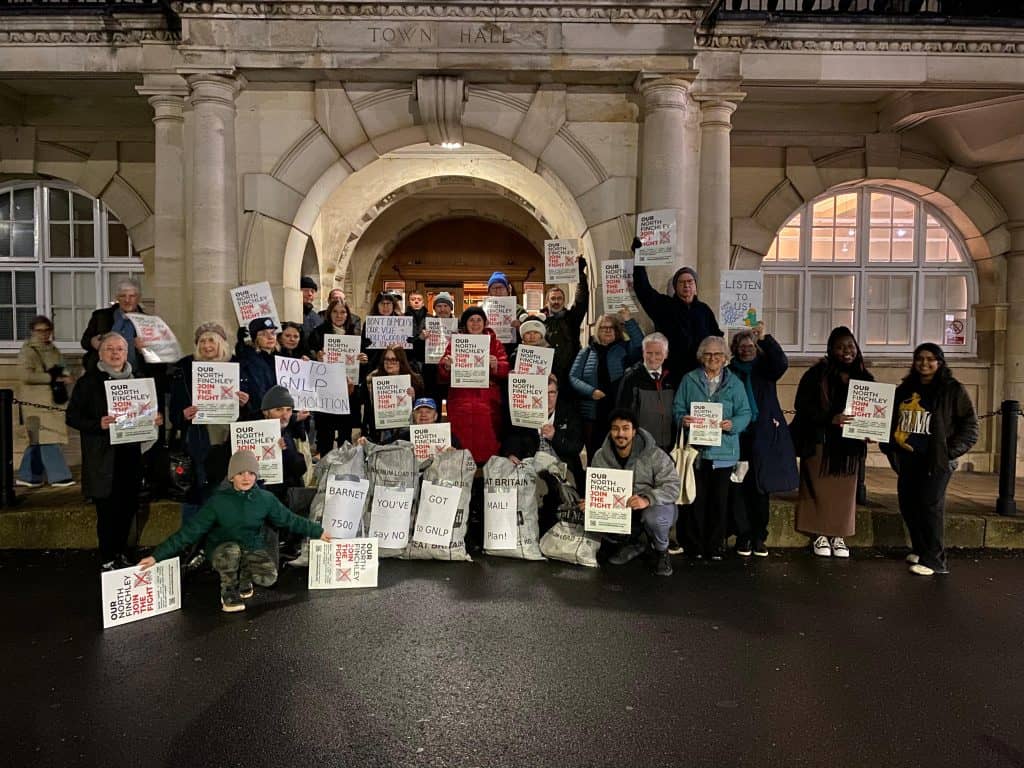
Local councillors rejected the development proposal in December 2025. The council determined that the site would be overdeveloped, too dense, and badly designed, among other issues. The Mayor of London has now “called in” the application and will shortly make a final decision. His record in such matters gives little cause for confidence as he has approved many large, low-quality schemes that were soundly rejected by local residents and councillors.
A Catastrophic Impact on Wildlife
The developers, Arada, have failed to adequately consider the Great Crested Newts and wider wildlife in their planning application. They refused to carry out a newt survey as required by the statutory body Natural England, claiming it was unnecessary.
Arada’s own consultant has admitted that, without proper mitigation, the bordering development will have a “significant adverse effect” on the reserve and its Great Crested Newt population. The mitigation scheme subsequently produced is wholly insufficient given the scale and proximity of the development.
In the assessment of numerous expert organisations that have formally objected to the scheme, this would in all probability result in the local extinction of the newts and serious degradation of the reserve as a whole.
Arada's Proposed Mitigation Plan
• Is not based on proper survey data for visitor footfall, shading or species.
• Focuses on the wrong part of the woodland.
• Does little to protect Great Crested Newts.
• Proposes “management” that could make things worse.
• Proposes “enhancements” that are tokenistic or already in place.
• Ignores pollution risks during construction.
• Wrongly claims no newt habitat exists within the development site.
• Offloads responsibility onto the council and volunteers.
• Offers a weak five-year plan for a problem that will last for generations.
What the Experts Say
The development has received formal objections from an extraordinary coalition of conservation organisations, spanning both London and the national level.
But to make a difference we still need your support!
How You Can Help
Our Supporters